
OUR TEAM
Meet the people behind the Indigenous Resilience Hub: educators, researchers, students, and community partners working together to advance Indigenous-led solutions in food, water, energy, and cultural resilience.
Leadership
-
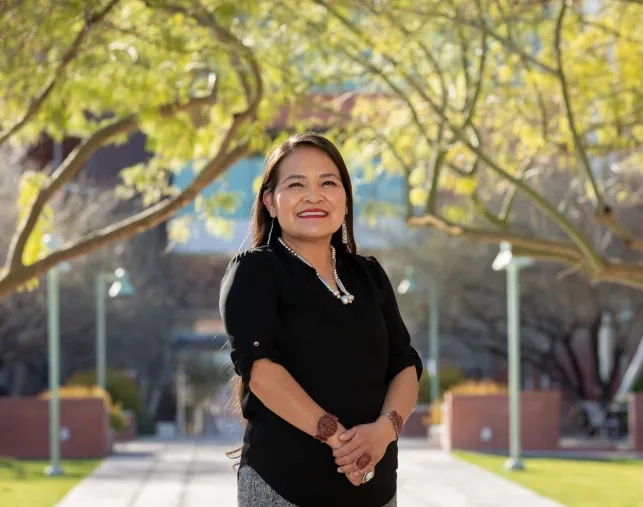
Dr. Karletta Chief
Director, IRes -
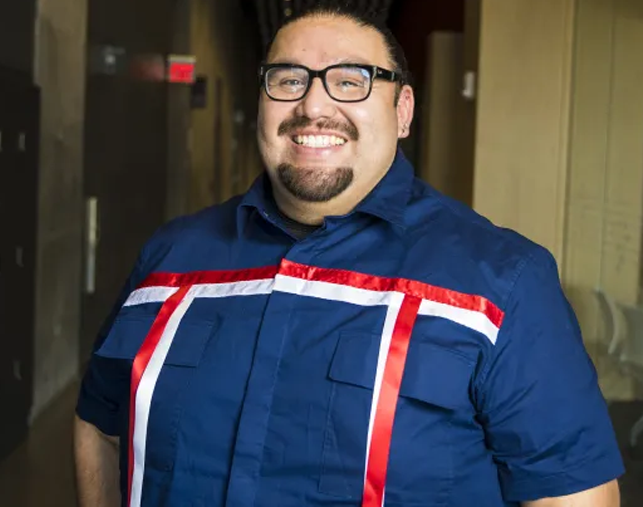
Daniel Sestiaga Jr.
Assistant Director, IRes
Dr. Karletta Chief
Director, IRes
Daniel Sestiaga Jr.
Assistant Director, IRes
Daniel Sestiaga Jr. is a member of the Ft. Yuma Quechan Indian Tribe of Arizona. Daniel is the son of Daniel Sr. and the late Rosie Sestiaga. His paternal grandparents are Carlotta and the late Julio Sestiaga. His maternal grandparents are Rosie Montoya and the late Tomas Montoya and the late Virgil Jack. He joins the Indigenous Resilience Center from Tohono O’odham Community College (TOCC) where he served for nine years in various roles. During his time at TOCC he managed the college’s Dual Enrollment Program, the Braiding Success Initiative funded by AT&T through the American Indian College Fund and served on as a Co-Principal Investigator on the A Student’s Journey Program funded by the Agnese Nelms Haury Program. He served as the college’s representative to the Arizona Tribal College and Universities Dual Enrollment Council within the Office of Indian Education and has served as a member of the Arizona Indian Education Advisory Council to State Superintendent of Public Instruction Kathy Hoffman since 2020.
Daniel earned his Bachelor of Science in Public Management and Policy with a double emphasis in Health and Human Services Administration and Criminal Justice Administration from the University of Arizona in Tucson, Arizona in 2012. He earned his Master of Public Health at the Mel and Enid Zuckerman College of Public Health at the University of Arizona. His area of emphasis is Health Services Administration.
Core & Associated Faculty
-
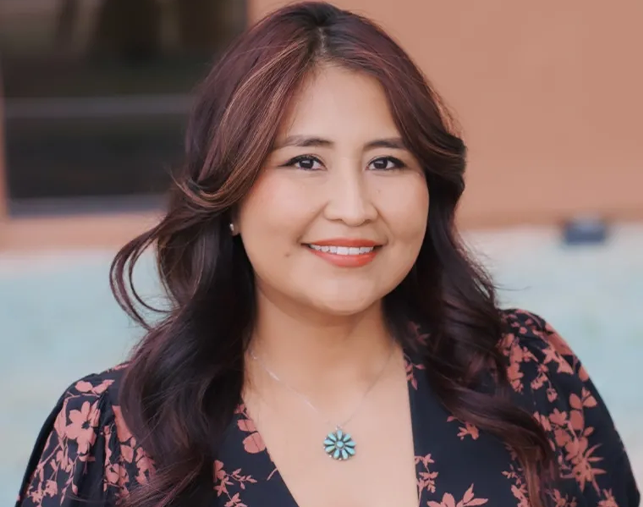
Dr. Cherie De Vore
Assistant Professor, Department of Chemical & Environmental Engineering -

Dr. Joseph H. Hoover
Assistant Professor, Department of Environmental Science -
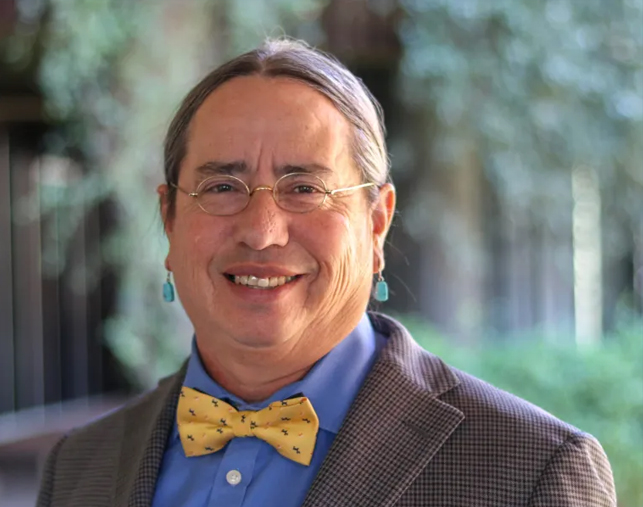
Dr. Michael Kotutwa Johnson
Assistant Professor, School of Natural Resources and the Environment -
Stephanie Russo Carroll
Director, Collaboratory for Indigenous Data Governance -
Dr. Vicky Karanikola
Assistant Professor, Chemical and Environmental Engineering -
Dr. Andrew Curley
Associate Professor
Dr. Cherie De Vore
Assistant Professor, Department of Chemical & Environmental Engineering
Dr. Joseph H. Hoover
Assistant Professor, Department of Environmental Science
Joseph H. Hoover is an environmental scientist specializing in the geography of water resources. His line of research is situated at the intersection of water resources, geography, and environmental health. An interdisciplinary perspective guides his scholarship, focusing on patterns of exposure and health impacts in rural, underserved communities in the United States. Current research and teaching focii emphasize three key areas: 1) potential exposure risk to environmental contaminants, principally through drinking water; 2) visualization and communication of chemical, environmental, and water quality information; and 3) health impacts of environmental exposures. The study of water and health in underserved communities illuminates contemporary issues linked to exposure and contamination.
Dr. Michael Kotutwa Johnson
Assistant Professor, School of Natural Resources and the Environment
Dr. Michael Kotutwa Johnson is a member of the Hopi Tribe in Northern Arizona. Dr. Johnson holds a Ph.D. in Natural Resources from the University of Arizona, a Master of Public Policy from Pepperdine University, and a B.S. in Agriculture from Cornell University. Dr. Johnson is a faculty member and Assistant Professor within the School of Natural Resources and the Environment. His primary work is with the Indigenous Resilience Center. Michael is also a co-author on the Indigenous Chapter in the National Climate Assessment Five. His newest initiative is the call for the Restoration of the American Indian Food System based on the stewardship principles of Indigenous conservation. Most importantly, he continues to practice Hopi dry farming, a practice of his people for millennia.
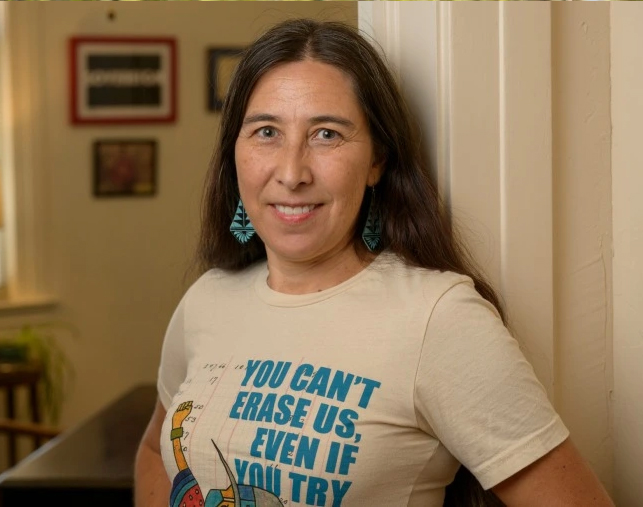
Stephanie Russo Carroll
Director, Collaboratory for Indigenous Data Governance
Dr. Stephanie Russo Carroll is Ahtna, a citizen of the Native Village of Kluti-Kaah in Alaska, and of Sicilian-descent. Based at the University of Arizona (UA), she is Associate Professor, Community, Environment and Policy Department at the Mel and Enid Zuckerman College of Public Health (MEZCOPH) and American Indian Studies Graduate Interdisciplinary Program; Associate Research Professor, Udall Center for Studies in Public Policy and its Native Nations Institute (NNI); Affiliate Faculty, College of Law; and Director, Collaboratory for Indigenous Data Governance.
Stephanie’s research explores the links between Indigenous governance, data, the environment, and community wellness. Her interdisciplinary lab group,the Collaboratory for Indigenous Data Governance Research, develops research, policy, and practice innovations for Indigenous data sovereignty. Indigenous data sovereignty draws on the UN Declaration on the Rights of Indigenous Peoples that reaffirms the rights of Indigenous nations to control data about their peoples, lands, and resources. The lab’s research, teaching, and engagement seek to transform institutional governance and ethics for Indigenous control of Indigenous data, particularly within open science, open data, and big data contexts. The lab primarily collaborates with Indigenous Peoples and nations in the US Southwest and the Arctic, as well an international network of Indigenous data sovereignty and governance experts. Lab members also often partner with communities to which they belong, including Indigenous communities. Stephanie offers Indigenous women-led mentoring of undergraduate through pos doctoral scholars and research staff with the goal of producing policy-relevant research through skill and knowledge acquisition. The lab’s disciplinary breadth includes public health, law, business, geography, sociology, social work, public policy, and environmental and climate sciences.
Stephanie’s research explores the links between Indigenous governance, data, the environment, and community wellness. She directs the interdisciplinary research group the Collaboratory for Indigenous Data Governance which develops research, policy, and practice innovations for Indigenous Data Sovereignty. Her research, teaching, and engagement seek to transform institutional governance and ethics for Indigenous control of Indigenous data, particularly within open science, open data, and big data contexts. Stephanie offers Indigenous women-led mentoring of undergraduate students through junior faculty and research staff with the goal of producing policy-relevant research through skill and knowledge acquisition that forefront Indigenous ways of knowing and being. The Collaboratory’s disciplinary breadth includes public health, law, business, geography, library and information sciences, data science, sociology, social work, public policy, and environmental and climate sciences.
Stephanie co-edited the book Indigenous Data Sovereignty and Policy and co-led the publication of the CARE Principles for Indigenous Data Governance. Stephanie co-founded the US Indigenous Data Sovereignty Network and co-founded and chairs the Global Indigenous Data Alliance (GIDA) and the International Indigenous Data Sovereignty Interest Group at the Research Data Alliance. She Chairs the Indigenous Data Working Group for the IEEE P2890 Recommended Practice for Provenance of Indigenous Peoples’ Data. Stephanie is an ENRICH: Equity for Indigenous Research and Innovation Coordinating Hub Global Chair. Stephanie was also a founding member of the UAs American Indian and Indigenous Health Alliance Club at MEZCOPH and the UA Native Faculty, working to support the recruitment and retention of Indigenous students and faculty at the UA. Stephanie is a founding board member for the Copper River Tribal College in Chitina, Alaska. Stephanie received her AB from Cornell University and MPH and DrPH from MEZCOPH.
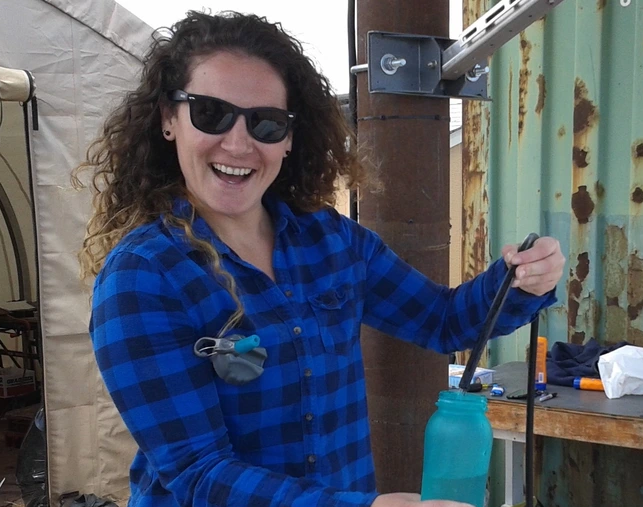
Dr. Vicky Karanikola
Assistant Professor, Chemical and Environmental Engineering
Prior to her assistant professor position at the CHEE UA, Dr. Vicky Karanikola was a postdoctoral fellow at the Chemical and Environmental Engineering Department at Yale University. Dr. Karanikola has an interdisciplinary engineering background combining a BS in mechanical engineering from the Technological Educational Institute of Central Macedonia, Greece an MSc degree in civil engineering from San Diego State University (SDSU), and both MSc and PhD degrees in environmental engineering from the UA. Her PhD research focused on off-grid water and wastewater treatment through hybrid thermal processes (membrane distillation) and nanofiltration. During her postdoctoral appointment she focused on membrane material synthesis and modification for water and wastewater treatment.
Alongside with her academic career, she is very strongly involved with EWB (Engineers without Borders), an organization that works on engineering projects in developing communities. She served as the mentor of the UA chapter and is currently involved with the EWB-USA headquarters as the vice president of the EWB Mountain Region Steering Committee. Dr. Karanikola’s research work with marginalized communities at Tribal Nations was recently recognized with the Agnese Nelms Haury Program in Environment and Social Justice Faculty fellowship.
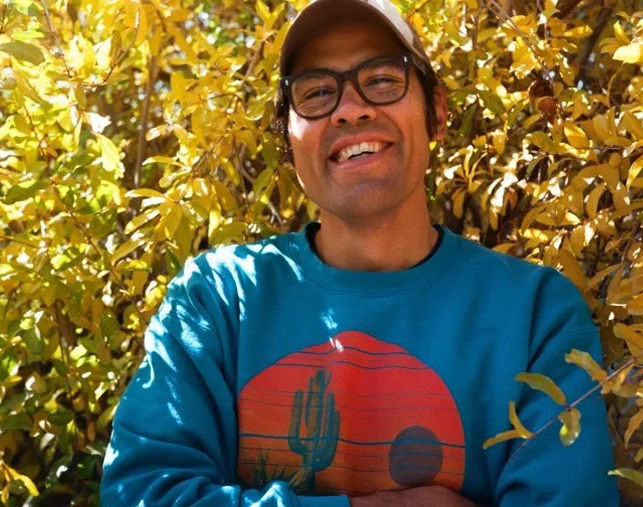
Dr. Andrew Curley
Associate Professor
Indigenous nations continue to thrive despite decades of forced removal, land dispossession, and economic underdevelopment. Within Indigenous communities, extractive industries produce a particular kind of colonizing relationship that expands social difference and creates new cultural understandings of resources.
The social forces at work are neither static nor two-dimensional. They are dynamic, contradictory, and counter-intuitive. My research focuses on the everyday incorporation of Indigenous nations into colonial economies. Building on ethnographic research, my publications speak to how Indigenous communities understand coal, energy, land, water, infrastructure, and development in an era of energy transition and climate change.
Professional Staff
-
Bernice Rodriguez
Program Coordinator, IRes -
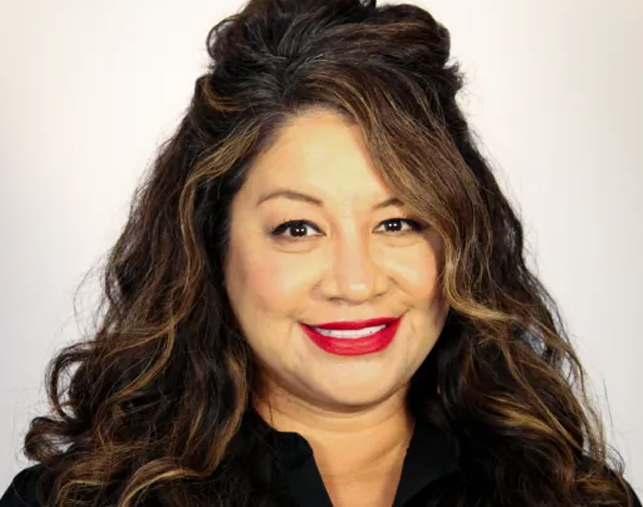
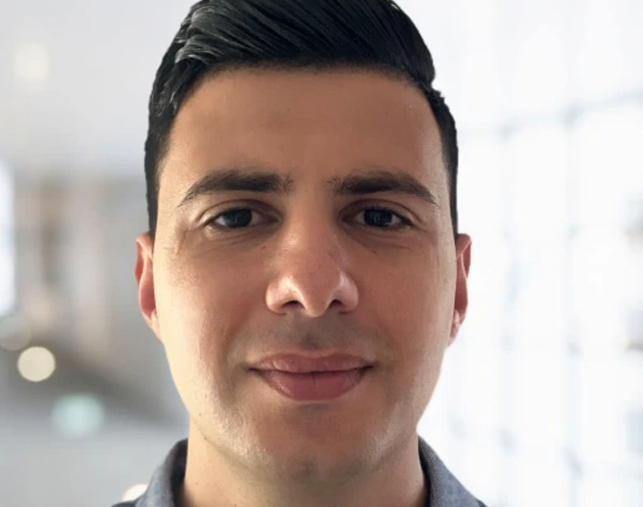
Christina Urbina Gargus
Grant & Project Coordinator, IRes -
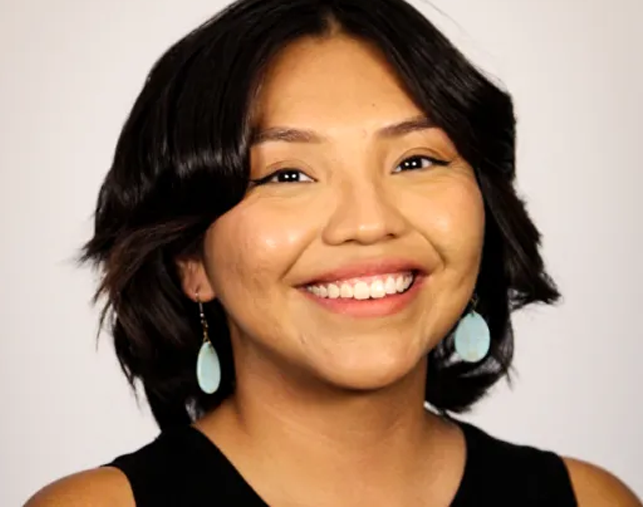
Jason Bruce
Postdoctoral Research Associate, IRes -
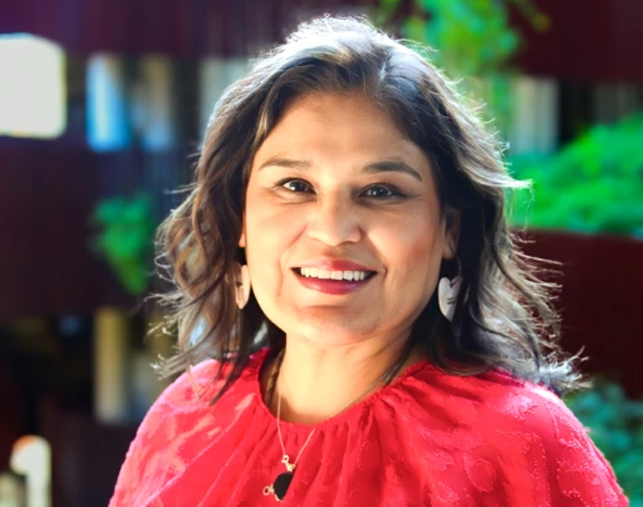
Kaitlyn Holtsoi
Senior Assistant to the Director, IRes -
Renee Tsinigine
Post Doctoral Research Scholar, IRes -
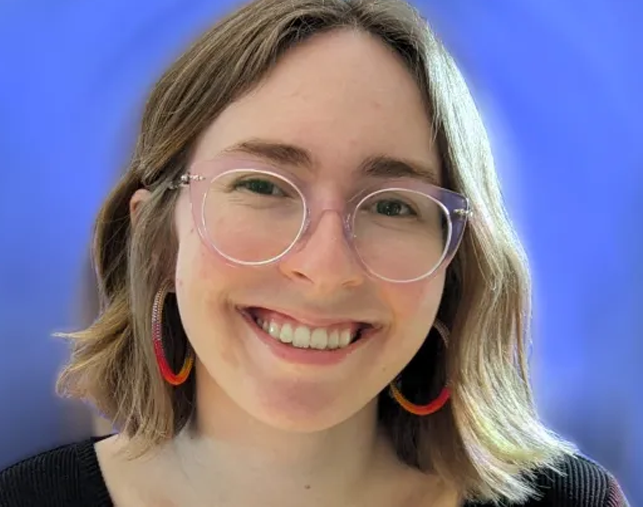
Ruth Pannill
Research Professional, IRes -
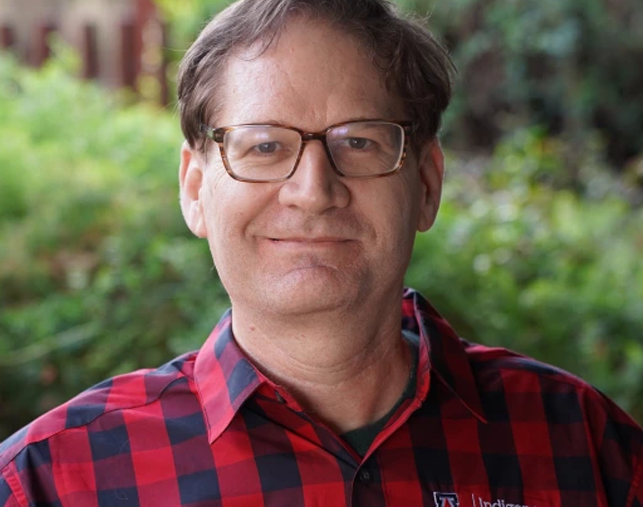
Torran Anderson
Community Outreach Manager, IRes
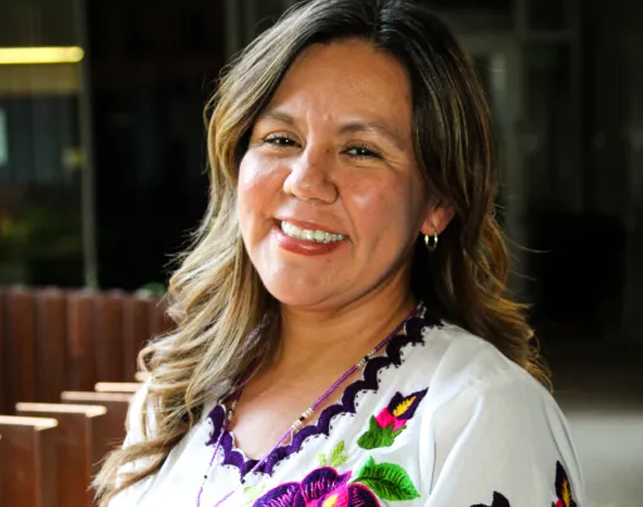
Bernice Rodriguez
Program Coordinator, IRes
Bernice Rodriguez is the Program Coordinator for the Indigenous Resilience Center where she will focus on implementation and activities to Native-FEWSS (Native Food, Energy & Water Security and Sovereignty) and Transformational Network and Indigenous Food, Energy and Water Security and Sovereignty (Indige-FEWSS). She is a member of the Pascua Yaqui Tribe and developed budget oversight and program coordination capabilities working for various departments in New Pascua on Tucson’s southwest side. Bernice transitioned to the University of Arizona in 2017 working with the Dean of Students Office before moving to Diversity and Inclusion in 2019 supporting the institutions’ seven Inclusion and Multicultural Engagement Student Centers. Bernice is an undergraduate student with the College Public Health and is working to complete her bachelor’s degree in the Spring of 2026.
Bernice is honored to be with the Indigenous Resilience Center and is looking forward to supporting community partners and the University of Arizona students, faculty and staff.
Christina Urbina Gargus
Grant & Project Coordinator, IRes
Tina Gargus has joined the Indigenous Resilience Center (IRes) as a Grant & Project Coordinator where she will focus on the development and implementation of program components of the IRes Climate Hub. In her role, she will administer community mini grants, provide grant writing training, and manage post-award activities for community organizations, tribal entities and non-profit organizations to address climate impacts.
Prior to joining IRes, Tina was the Program Manager for the Office of Native American Advancement & Tribal Engagement involved with implementing priority projects that advances the University of Arizona’s institutional commitment to Native American advancement. Her experience at the University includes the administration of grant application cycles for several environmental research grants and managing the Carson Scholars Graduate Program dedicated to training the next generation of environmental researchers in the art of public communication. Tina also provided academic coordination for the Global Change Graduate Interdisciplinary Minor Program.
Tina began her career at the U.S. Institute for Environmental Conflict Resolution, a program of the Morris K. Udall Foundation, where she worked from 1999–2013. There she provided federal contract administration and small group meeting facilitation for national environmental projects that included federal tribal consultation policy guidelines. She provided programmatic support to the National Environmental Conflict Resolution Advisory Committee to develop their final report on the implementation of Section 101 of the National Environmental Policy Act.
Tina holds a B.A. in Creative Writing from the University of Arizona, combining her passion for storytelling with her commitment to environmental and Native American community justice and advocacy.
Jason Bruce
Postdoctoral Research Associate, IRes
The Indigenous Resilience Center is excited to welcome Jason Bruce as a new Postdoctoral Research Associate. Jason brings nearly a decade of experience working in Indigenous community schools and supporting culturally responsive education, community engagement, and curriculum development.
He holds a Doctorate in Indigenous Studies from Trent University, with a career dedicated to fostering collaboration and supporting community-driven initiatives. His previous roles include Mental Health Project Manager at Indspire, Vice-Principal at Bigstone Community School, and Course Instructor for the Indigenous Community Health Worker Training Program with Anishnawbe Health Toronto.
Jason’s passion for education, holistic learning, and community well-being aligns with the mission of the Indigenous Resilience Center. We are thrilled to have him on board and look forward to the contributions he will make as part of our team.
Kaitlyn Holtsoi
Senior Assistant to the Director, IRes
Katie Holtsoi is a member of the Navajo Nation, Kinyaa’áanii clan born for the ‘Áshįįhi clan. She is the daughter of Angie and Darryl Holtsoi, originally from Gallup, New Mexico. Katie transitioned to the University of Arizona in the Fall of 2023 to support the Indigenous Resilience center as a Senior assistant to the director. Katie has previously held positions in the Navajo tribal government under two different administrations and in the municipality of Gilbert, Arizona. She is a recent Masters of Public Administration graduate from Arizona State University where she also received her Bachelor’s degrees in Political Science and American Indian Studies.
Renee Tsinigine
Post Doctoral Research Scholar, IRes
Dr. Renee Tsinigine Holt (Navajo/Nez Perce) is a Post Doctoral Research Scholar for the Indigenous Resilience Center (IRes). She is from the Tsé naha bił nii (With the Rock or Sleeping Rock) clan, born and raised by Tł izi łání (Many Goats) clan, her maternal clan is Tsí naa’jinii (Black Streaked Wood) and her paternal clan is Bįįh’bitoo’ni (Deer in Water or Deer Spring) and Nez Perce. She received her Ph.D. in Cultural Studies and Social Thought in Education at the Washington State University-Pullman under the mentorship of Dr. Francene Watson.
Renée was raised on Navajo Nation with K’é in Lupton, LeChee, Coppermine, and Tuba City. Prior to joining IRes, she was a post-doctoral research fellow at the University of Idaho working with Native American Law Faculty & Student Association and the Indigenous CIRCLES faculty before joining the University of Arizona. Her research foci centers Indigenous healing, ancestral ways of knowing, Indigenous resilience research, education, outreach, and providing culturally sustaining student support for undergraduate and graduate student ambassadors of the Native-FEWSS (Native Food, Energy & Water Security and Sovereignty) program.
Renée is honored to be a member of the Indigenous Resilience Center and looks forward to working with faculty, staff, students, and communities in environmental resiliency research that further develops and supports local, regional, and national partnerships in Indigenous environmental sustainability for future generations. To learn about IRes updates, opportunities, and events, please join our mailing list.
Ruth Pannill
Research Professional, IRes
Ruth Pannill grew up in Atlanta, Georgia, and recently graduated with a Master’s in Water, Society, and Policy from UArizona. Throughout her graduate studies, she was an Indige-FEWSS trainee working on water and STEM education related projects. She conducted her thesis work with Arizona Project WET to develop place-based outdoor education curricula about Tucson’s urban water cycle for K-12 students.
Ruth also holds bachelor’s degrees from the University of Georgia in Environmental Chemistry & Interdisciplinary Studies (Marine Chemistry). As a Research Professional at IRes, her work focuses on community water data analysis, Indigenizing curriculum, and project coordination.
Torran Anderson
Community Outreach Manager, IRes
For over twenty-five years, Torran has worked in the field of education with a focus on environmental education and community engagement. Torran has developed environmental education programs for the Environmental Education Exchange, created social justice programs as the Director of the Legacy of Japanese Incarceration Project, and published over fifty books for children as a freelance author. Currently, Torran is the Community Outreach Manager for the Indigenous Resilience Center (IRes) whose mission is “Centering Indigenous ways of knowing into co-designed environmental solutions and training the next generation of community leaders.” To learn about IRes updates, opportunities, and events please join our mailing list.
Torran previously worked with the Institute for Energy Solutions on the Sustainable Bio-economy for Arid Regions project (SBAR) and as the Community Engagement Coordinator for the Indigenous Food, Energy & Water Security and Sovereignty project (Indige-FEWSS).
Torran is thrilled to work with the Indigenous Resilience Center on topics he is passionate about. He is looking to connect with others working with Indigenous communities, incorporating the arts/storytelling into environmental issues, and innovative climate change education and communication.
Students
-
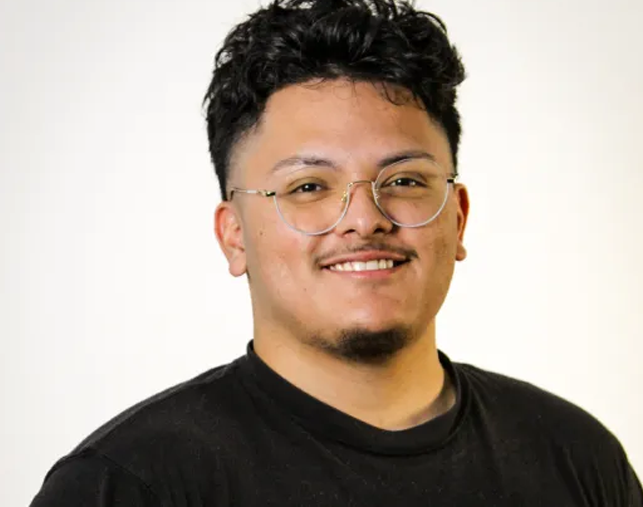
Miguel Corrales Valencia
Administrative Assistant, IRes -
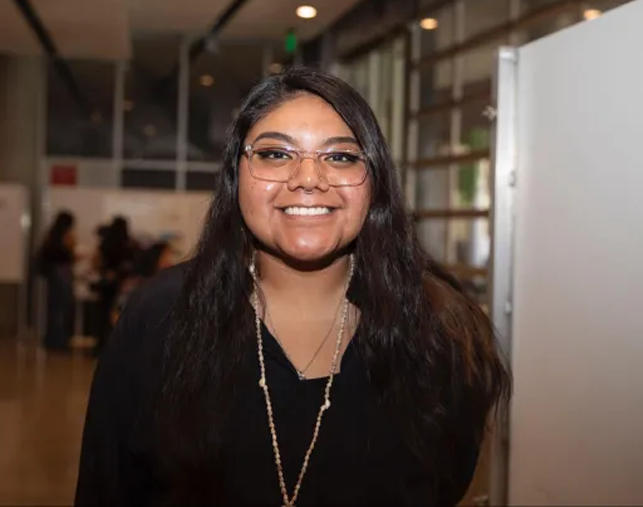
Trinity Norris
Marketing & Communication Assistant, IRes -
Winona Little Owl-Ignacio
Waverley Student Assistant, IRes
Miguel Corrales Valencia
Administrative Assistant, IRes
Trinity Norris
Marketing & Communication Assistant, IRes
Trinity Norris grew up in Sells, Arizona, and is a graduate student in the College of Social and Behavioral Sciences studying, Studies of Global Media in the School of Journalism at the University of Arizona and recently graduating with her Bachelor of Arts in Digital Journalism.
Trinity is interested in delving into the complexities of global media, exploring its intersections with culture, society, and technology. Through her studies, Trinity aims to contribute to the ever-evolving landscape of media communication.
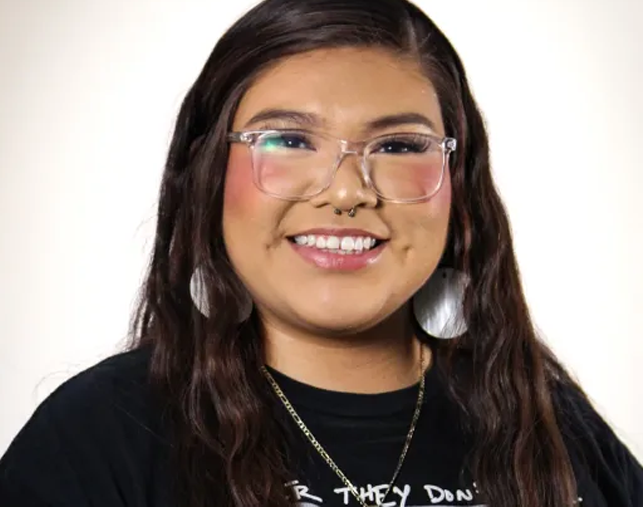
Winona Little Owl-Ignacio
Waverley Student Assistant, IRes
Winona Little Owl is Lakhota and Tohono O’odham and belongs to a family of 9. She comes from the villages Komckud E-wa’osidk and Ihankthunwanna. She is a Juris Doctorate candidate at the James E. Rogers College of Law, within the Indigenous People’s Law and Policy Program. She has a Bachelor’s from the University of Arizona in Law, but is most proud of their Associate of Arts in Liberal Arts from Tohono O’odham Community College. She is part of different student organizations such as Indigicat Student Association and Tohono O’odham Student Association in order to help build and create a home within the Native community at UArizona and surrounding Tucson. In their free time, they enjoy being with their family, playing toka, and are a part of the Rez Babes Book Club.