
Resilience in Practice
Indigenous Resilience in Food, Energy & Water
An eight-module learning experience centering Indigenous leadership, alongside scientists, farmers, engineers, artists, and students working across the Southwest. Open to all learners.
Modules
08
Speaker Voices
16
Complete the course to earn a University of Arizona digital badge.
Program Structure
The overview describes a journey, not a list.
Rather than introducing every module at once, the homepage explains the broader movement of the program. This makes the first encounter feel guided and legible, while leaving detailed teaching sequence to the lesson pages themselves.
The course arc below describes how the experience progresses from grounding into systems thinking, applied reflection, and practical continuation.
Grounding
Begin with identity, belonging, and the relationships that shape resilient practice before moving into detailed lesson work.
Expansion
Broaden the frame into sovereignty, land, water, stewardship, and the wider systems that shape community life.
Application
Carry insight into reflection, dialogue, and practical use so the course supports action rather than passive completion.
Continuation
Use workbook activities and guided prompts to continue learning beyond the screen in classrooms, groups, and personal practice.
The Voices
16 speakers across the Southwest.
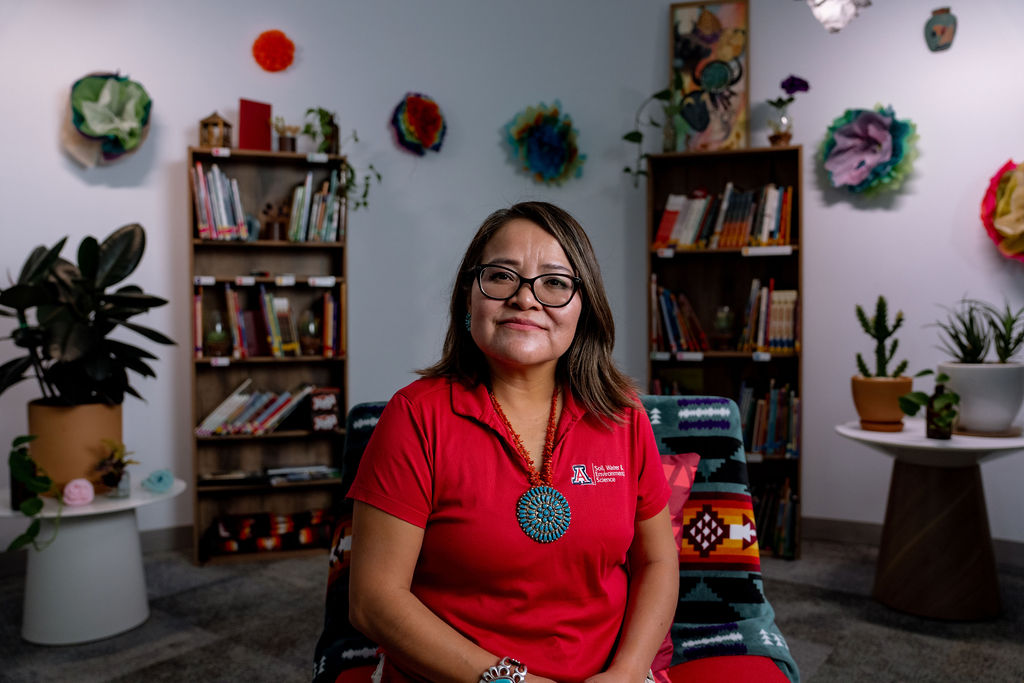
Dr. Karletta Chief
Diné
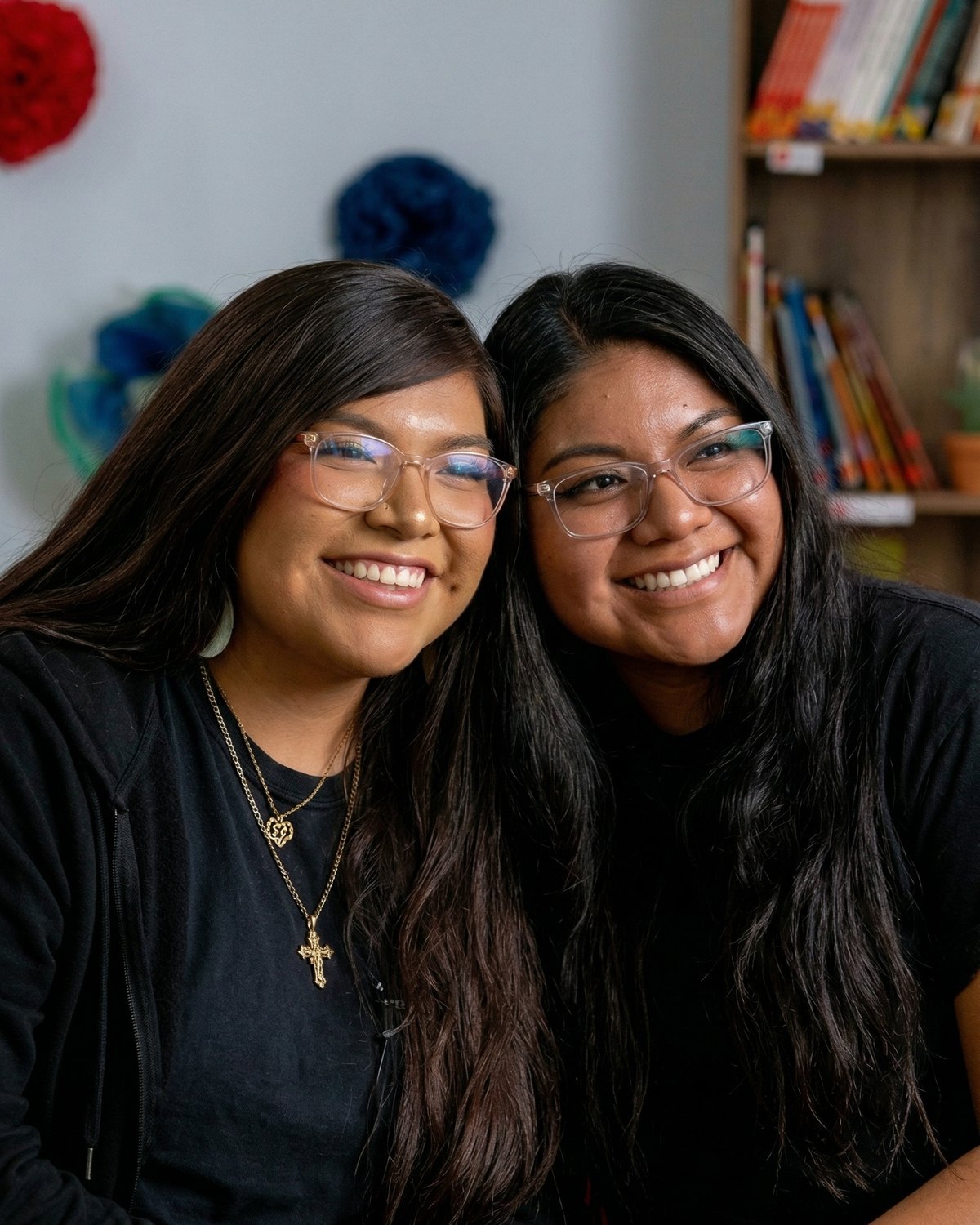
Trinity & Winona
Tohono O’Odham
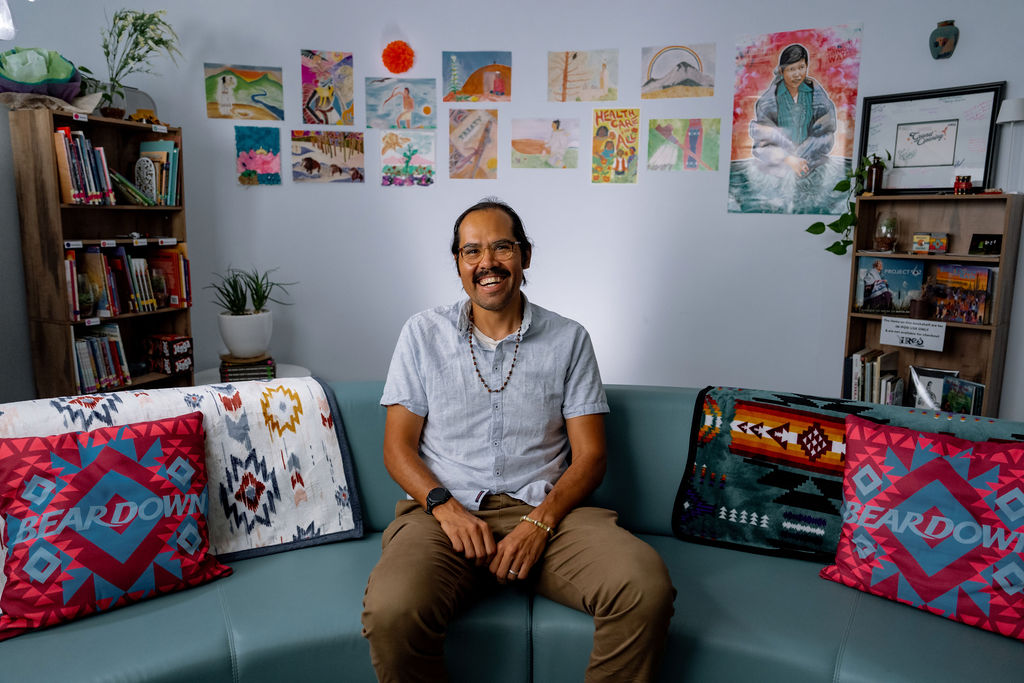
Dr. Andrew Curley
Diné
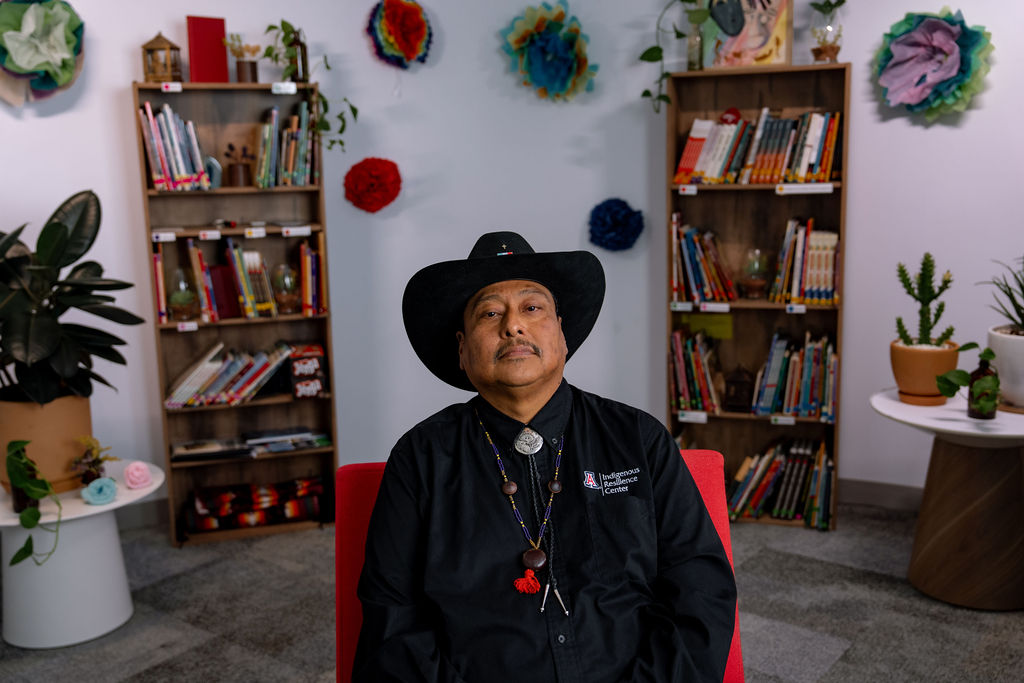
Miguel Flores Jr.
Pascua Yaqui & Tohono O’odham
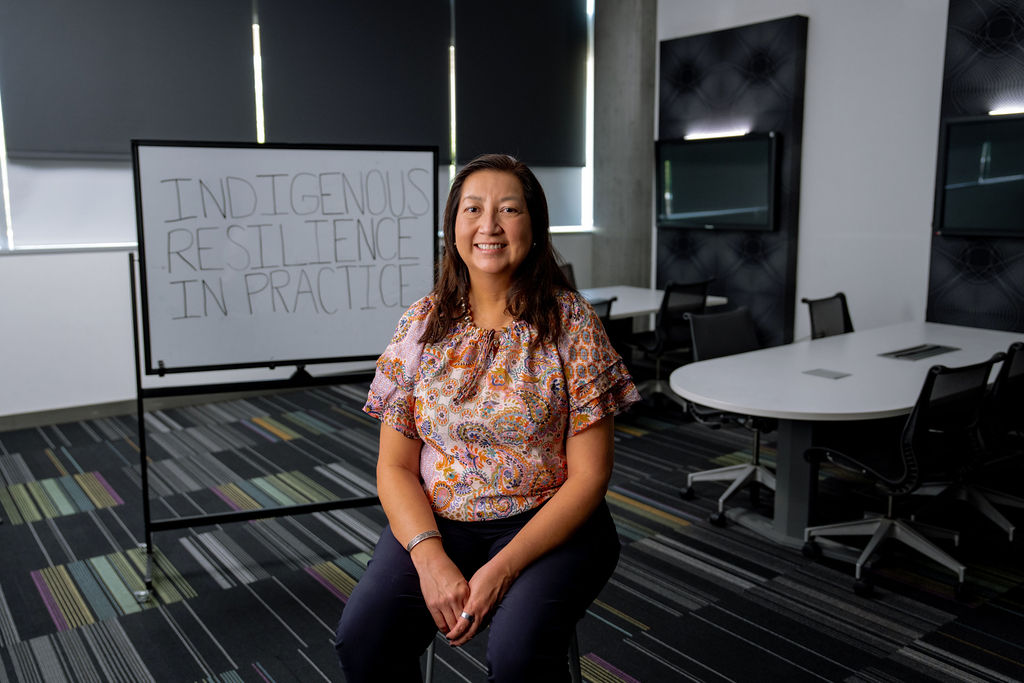
Dr. Otakuye Conroy-Ben
Oglala Sioux
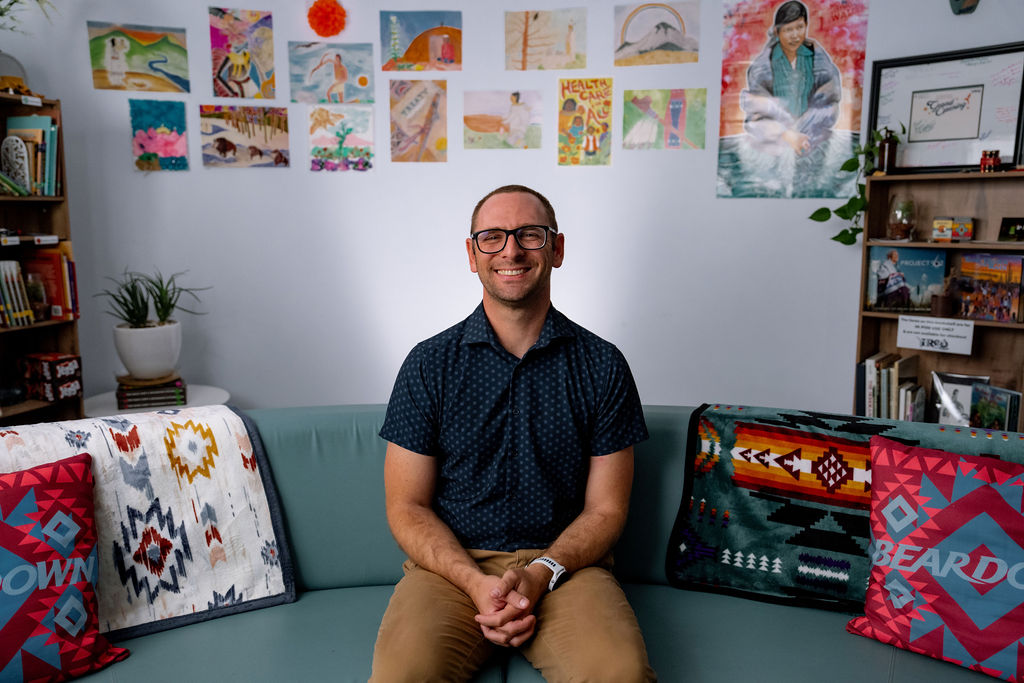
Dr. Joe Hoover
University of Arizona
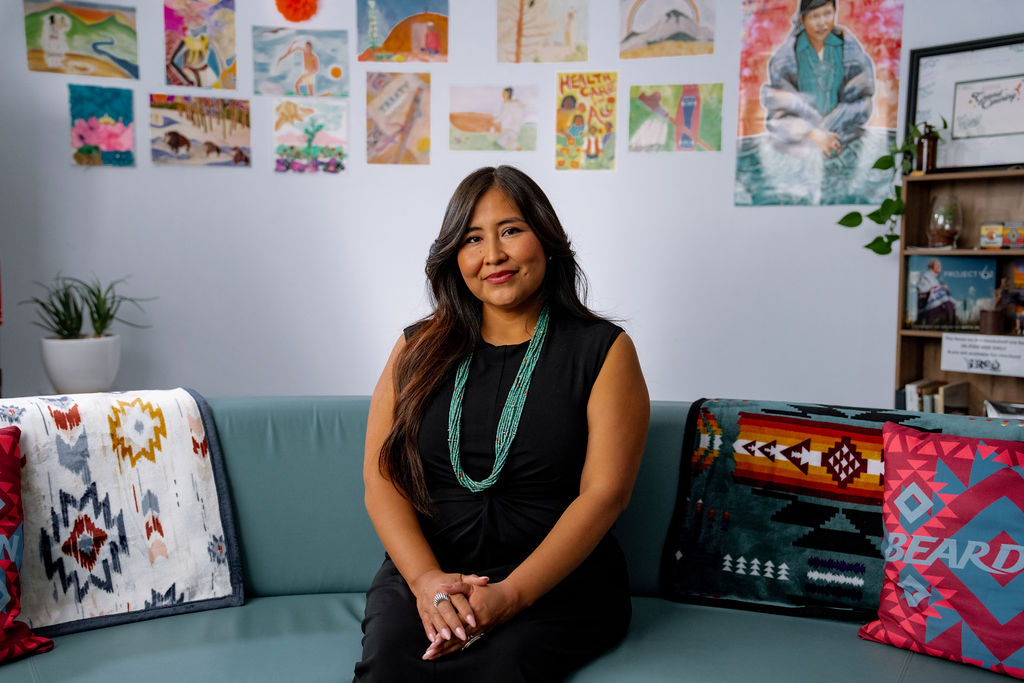
Dr. Cherie De Vore
Diné
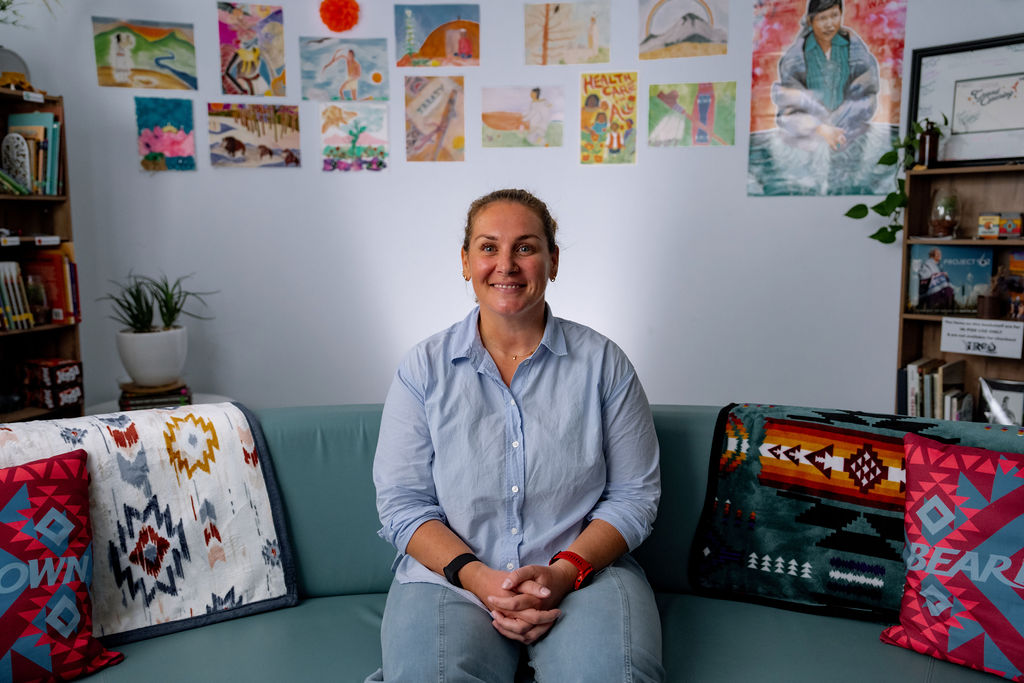
Dr. Vicky Karanikola
University of Arizona
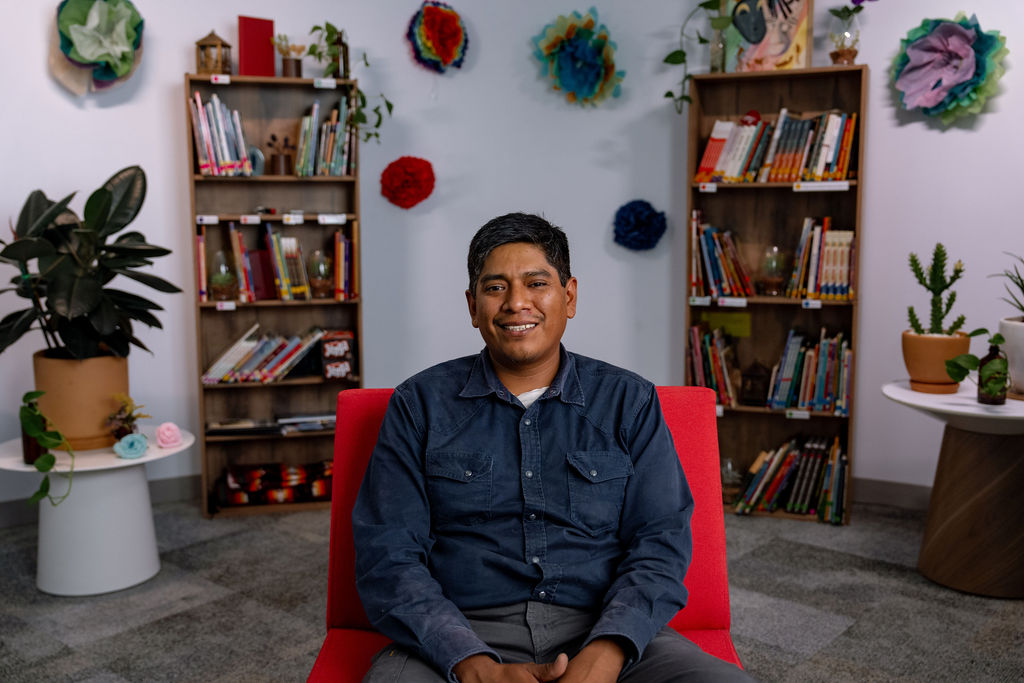
Duran Andrews
Tohono O’Odham
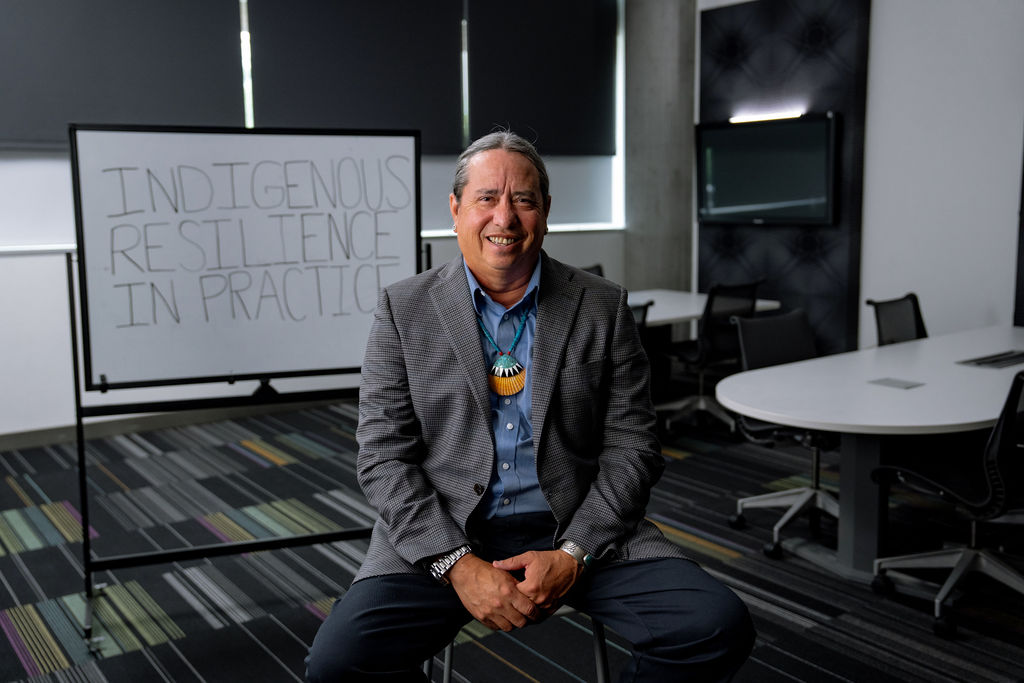
Dr. Michael Johnson
Hopi Tribe
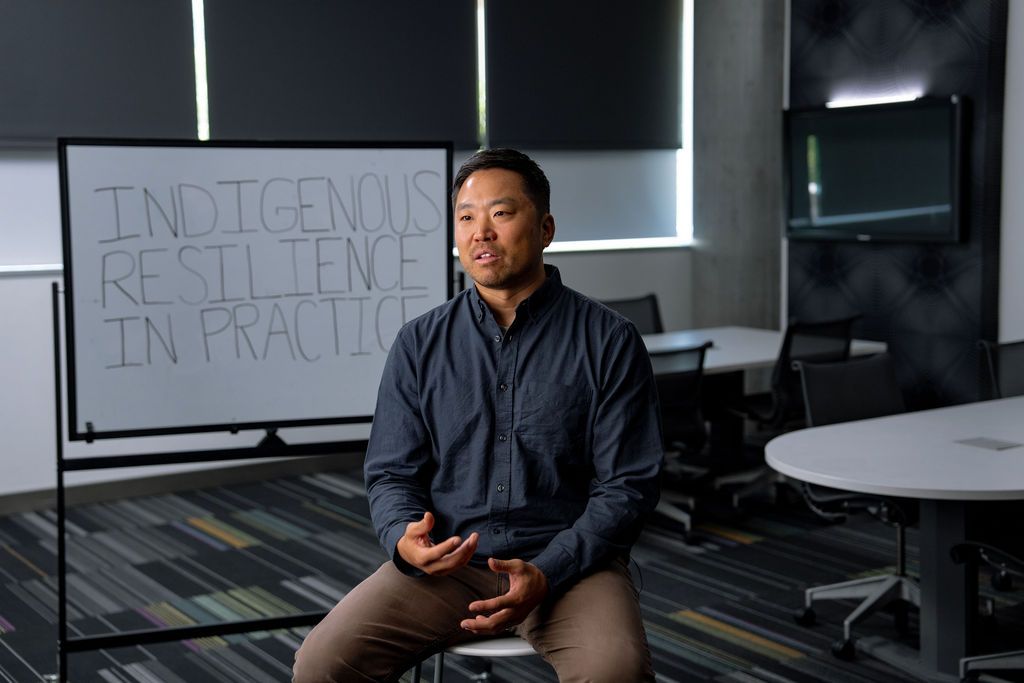
Eric Shin
Nalwoodi Denzhone
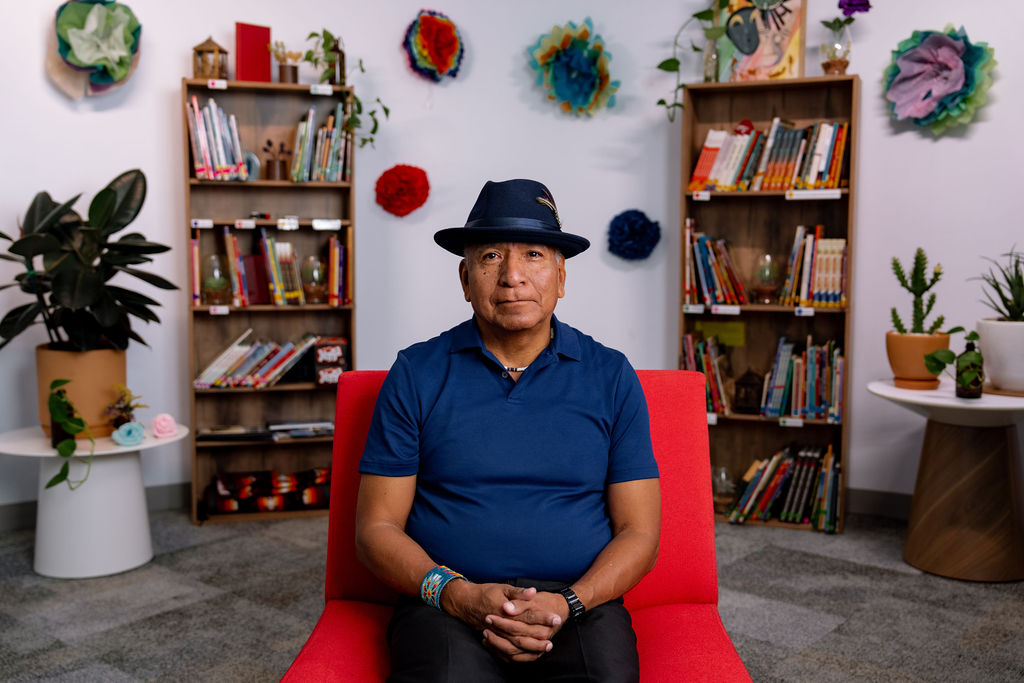
Anselmo Ramon
Tohono O’Odham
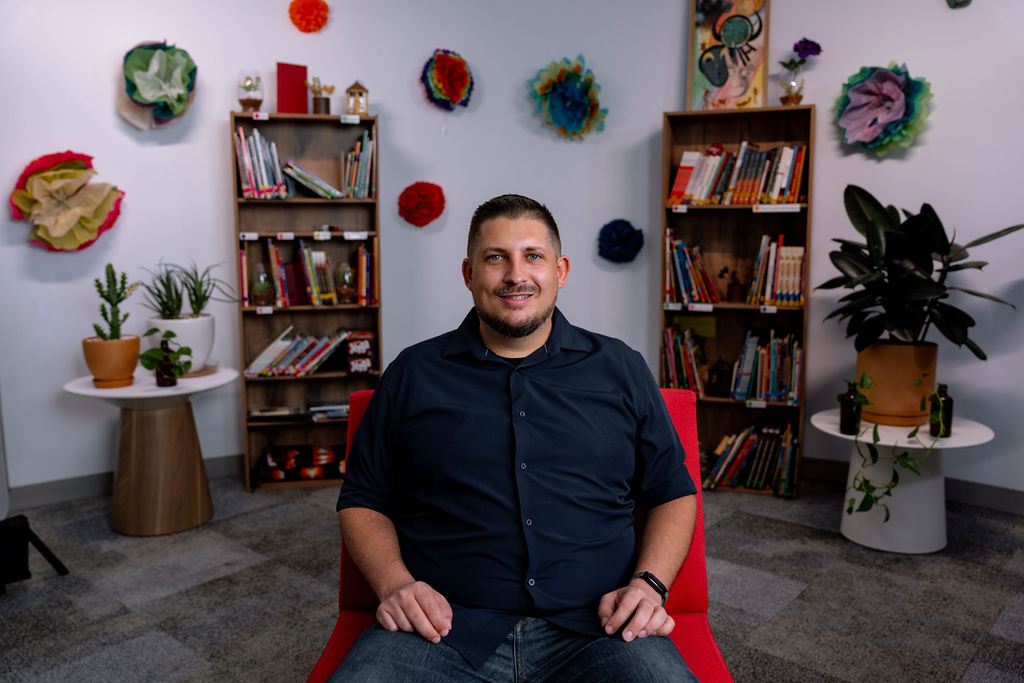
Ben Richmond
University of Arizona
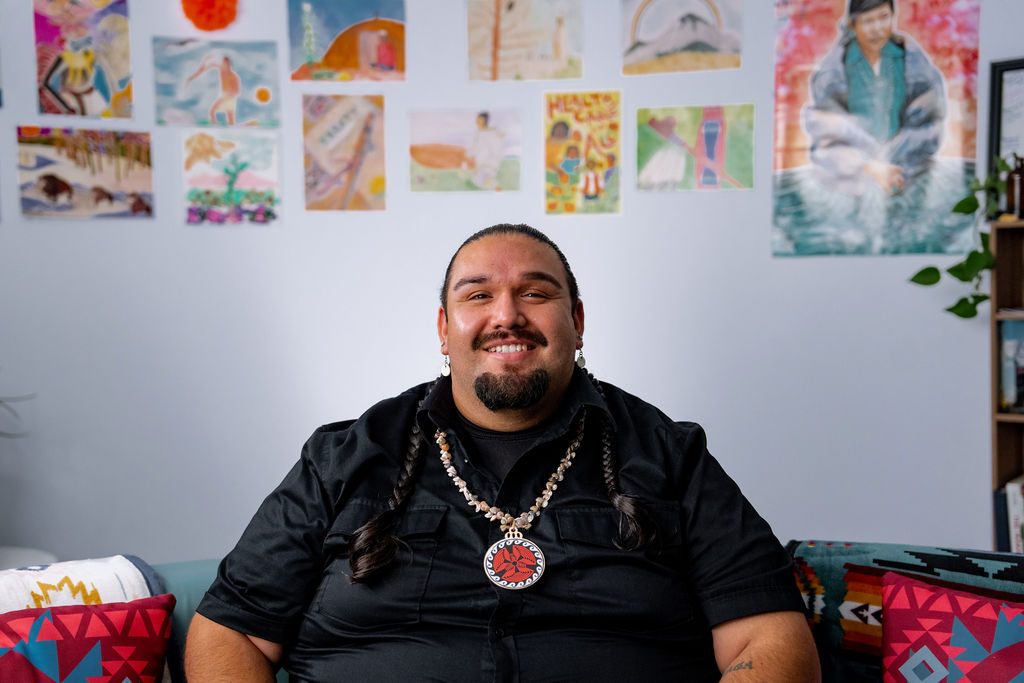
Daniel Sestiaga Jr.
Fort Yuma Quechan Indian Tribe
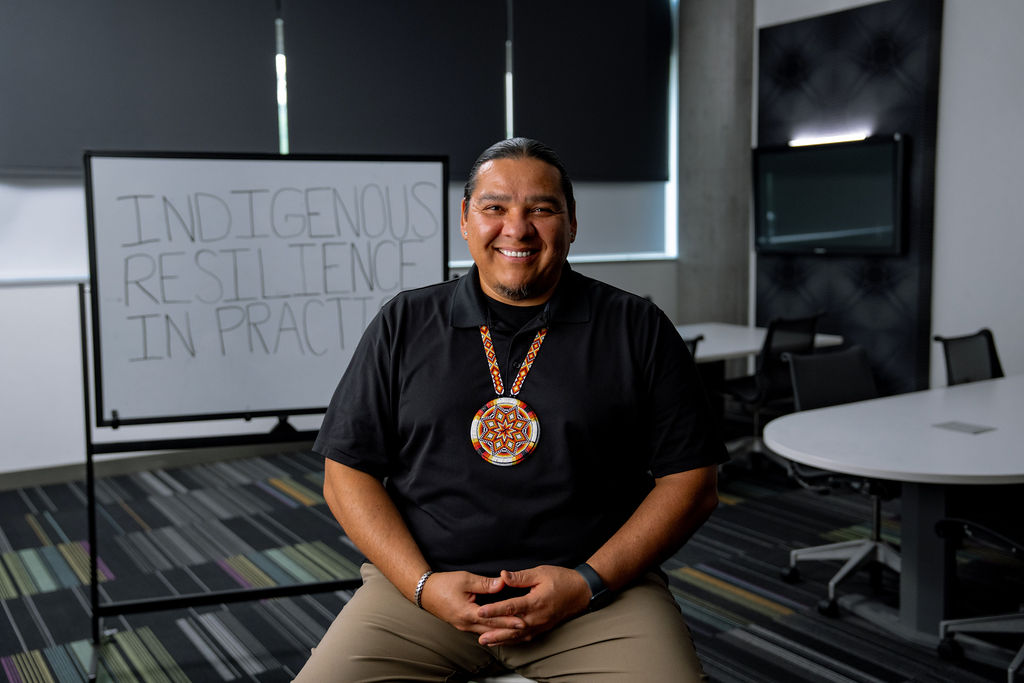
Roman Orona
Ak-Chin Indian Community
Featured Voices
What each module holds.
1
Identity, Community, and the Foundations of Resilience in FEWS
Dr. Karletta Chief · Trinity Norris & Winona Ignacio
2
Sovereignty, Story, and Environmental Histories
Dr. Andrew Curley · Miguel Flores Jr.
3
Water Protection and Community Health
Dr. Otakuye Conroy-Ben · Dr. Joe Hoover
4
Engineering and Co-Design in FEWS Systems
Dr. Cherie De Vore · Dr. Vicky Karanikola
5
Land, Food, and Traditional Farming Systems
Duran Andrews · Dr. Michael Johnson
6
Food Sovereignty and Community Resilience
Eric Shin · Anselmo Ramon
7
Pathways, Partnerships, and Student Success
Ben Richmond · Daniel Sestiaga Jr.
8
Leadership, Creativity, and Environmental Stewardship
Roman Orona
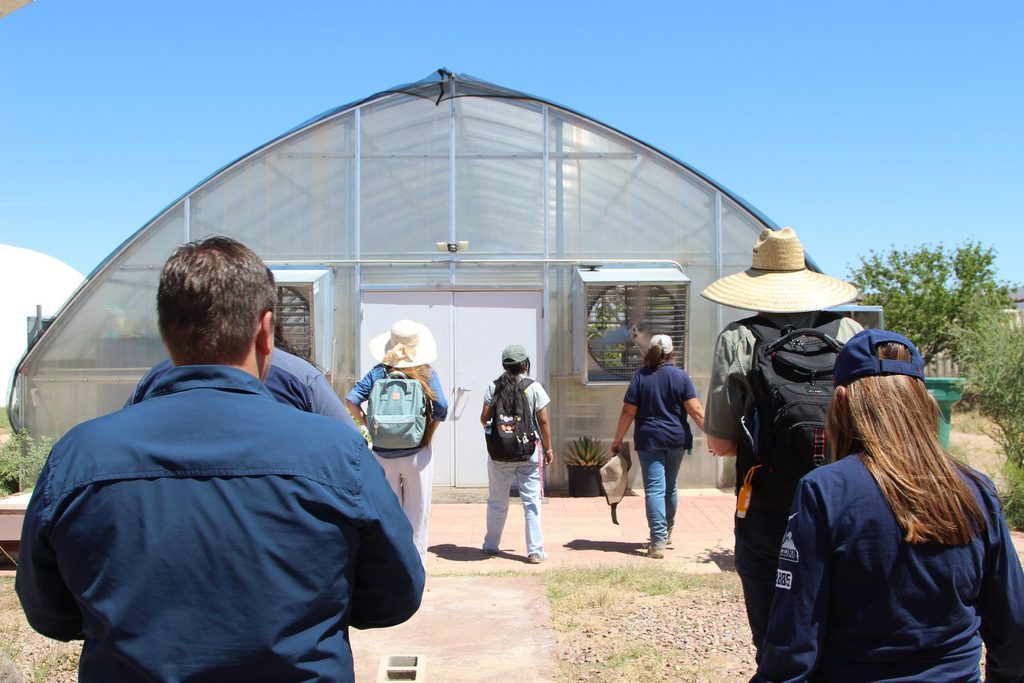
Workbook-guided practice
Workbook activities extend every lesson into planning, journaling, teaching, and group conversation so learning remains usable after the screen is closed.
How it can be used
Flexible enough for many settings, structured enough to remain coherent.
1
Self-paced learners
A coherent sequence to move through on your own time, not a directory of disconnected pages.
2
Facilitators & educators
A clear arc for group discussion, reflection, and classroom or workshop use.
3
Self-paced learners
Material designed for reuse, revisiting, and guided conversation in community learning spaces.
Frequently Asked
A few things people ask before they begin.
Start the course
Request your place in the course.
The course is hosted in the University of Arizona’s Brightspace Community, and we create an account for every learner. Share a few details below and we will set up your account and send an invitation to your email. There is no cost to enroll.